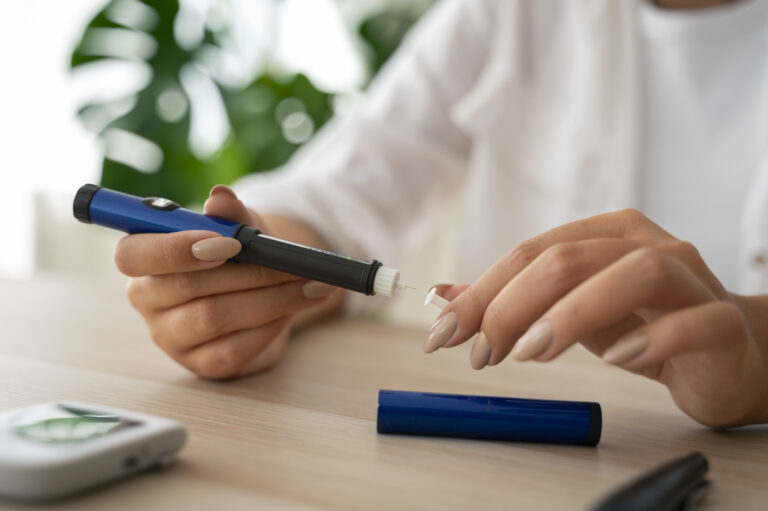
Most current discussions about weight loss medications centre on GLP-1 injections like Ozempic and Wegovy — but they’re not the only option.
Contrave is an oral prescription tablet that takes a fundamentally different approach. Instead of mimicking gut hormones, Contrave targets the brain’s appetite and reward systems to reduce cravings and help control overeating.
In this article, we cover what Contrave is, how it works, and its effectiveness for weight loss. We also look at how Contrave compares to other weight loss medications, detail the full list of side effects, and outline what Contrave costs in Canada.
What Is Contrave?
Contrave is the brand name of an oral weight loss tablet containing a fixed-dose combination of naltrexone and bupropion — two medications that have been used separately in medical practice for decades. Contrave was approved by Health Canada in 2018 to be used for weight management in adults who are obese or overweight and have at least one weight-related health issue.
What makes Contrave different from other popular weight loss medications is its unique mechanism of action. Rather than working through gut hormones (like GLP-1 medications), Contrave is thought to act directly on the parts of the brain that regulate appetite and cravings.
How Contrave Tablets Work
The two active ingredients in Contrave (bupropion and naltrexone) work synergistically to support weight loss through appetite suppression and reducing food cravings.
Appetite Reduction
Bupropion stimulates neurons that release signals that suppress appetite and increase feelings of fullness.
Normally, a natural feedback loop involving beta-endorphin shuts this process down relatively quickly. But naltrexone — an opioid receptor blocker — disrupts that feedback loop, allowing the appetite-suppressing effect of bupropion to last longer and work more effectively.
Controlling Food Cravings
The two ingredients in Contrave also act together on the brain’s reward system.
Bupropion raises levels of dopamine and norepinephrine (neurotransmitters linked to motivation and pleasure), while naltrexone blocks the opioid-driven pleasure response to food. This combination reduces the intensity of food cravings and can help blunt the rewarding feeling that drives overeating, particularly the kind driven by emotional triggers rather than genuine hunger.
Other Uses for Bupropion and Naltrexone
If you’ve heard of bupropion before, it may be because it’s also prescribed under the brand names Wellbutrin (for depression) and Zyban (for smoking cessation). Naltrexone, meanwhile, has a long history of use in addiction medicine for alcohol and opioid dependence.
Contrave Weight Loss Effectiveness
Much of the clinical evidence for Contrave comes from the Contrave Obesity Research (COR) trial program. This involved four large-scale studies that together enrolled over 4,500 adults and ran for 56 weeks each. All participants combined the medication with a reduced-calorie diet and increased physical activity.
Across the four COR trials, participants taking Contrave lost approximately 5–9% of their body weight. The proportion of participants who achieved at least 5% weight loss ranged from 48% in COR-I to 51% in COR-II (compared to 16–17% on placebo).
The Importance of Lifestyle Change
One specific trial within the COR program that involved more intensive lifestyle change is particularly worth noting. In this study, participants paired Contrave with an intensive behavioural modification program that involved structured group therapy sessions, prescribed caloric deficits, and supervised exercise.
The participants in this study achieved 9.3% weight loss while taking Contrave. Among those who completed the full 56 weeks on the medication, the results were even more striking: 11.5% weight loss versus 7.3% on placebo.
These results highlight that Contrave works best alongside genuine, sustained lifestyle changes — not necessarily as a standalone weight loss solution.
Early Results Predict Long-Term Success
Clinical data shows a strong correlation between early response to Contrave and long-term success. If you haven’t lost at least 5% of your body weight by week 16, your doctor will likely recommend discontinuing the medication, as the probability of achieving meaningful results beyond that point is low.
Contrave Medication vs Other Weight Loss Treatments
Contrave medication works through a completely different mechanism than the GLP-1 weight loss medications that have become very popular in recent years (such as Ozempic, Mounjaro, and Wegovy).
The differences between Contrave and popular GLP-1s are outlined below. However, it’s important to note that the right choice of weight loss medication depends on individual factors that you should discuss with your doctor, like your medical history, how your body responds, side effect tolerance, cost, and preferences around a daily pill or a weekly injection.
Contrave vs Ozempic
The fundamental difference between Contrave vs Ozempic lies in how each medication works and what it is approved to treat:
- Mechanism: Contrave is an oral tablet taken twice daily that targets the brain’s appetite and reward centres. Ozempic (semaglutide) is a once-weekly injection that mimics a natural gut hormone (GLP-1) to slow stomach emptying and reduce overall appetite.
- Health Canada Approval: Contrave is specifically approved for chronic weight management in Canada. Ozempic is officially approved for type 2 diabetes (and for reducing cardiovascular risk in those patients), though it is frequently prescribed off-label for weight loss.
- Weight Loss Results: Contrave and Ozempic produce similar weight loss results in the scientific literature. Contrave studies report weight loss of 5–9% over 56 weeks. While in clinical trials for type 2 diabetes, Ozempic (at doses of 1.0 mg to 2.0 mg) generally produced average weight loss in the 5–10% range.
- Side Effects: Contrave’s most common side effects are neurological (headache, insomnia, and nausea during the early adjustment phase). Ozempic’s side effects are primarily gastrointestinal (nausea, diarrhea, vomiting).
- Cost: In Canada, the out-of-pocket retail costs for Ozempic vs Contrave are generally comparable, typically ranging from $250 and $400 per month. However, the final cost for either medication will depend heavily on coverage and eligibility for manufacturer patient support programs.
Contrave vs Wegovy
Wegovy uses the exact same active ingredient as Ozempic (semaglutide), but is packaged at a higher maximum dose (2.4 mg). Here are the key points you need to know about Contrave vs Wegovy:
- Weight Loss and Health Benefits: Wegovy is a once-weekly injection that typically produces greater weight loss than Contrave (approximately 15% vs 5–9%). Wegovy also has clinical data demonstrating a reduction in major cardiovascular events, which Contrave does not.
- Potential Contrave Advantages: Despite Wegovy’s higher average weight loss, Contrave holds practical advantages for many patients. It is an oral tablet rather than an injection, it tends to be less expensive, and its unique mechanism specifically targets emotional eating and food cravings—making it an excellent fit for patients whose challenges are driven by reward-seeking behaviour rather than physical hunger alone.
Contrave vs Rybelsus
Rybelsus (oral semaglutide) and Contrave are both oral tablets, making them great options for patients who prefer not to inject. However, the specifics of Contrave vs Rybelsus are quite different in practice:
- Mechanism & Approval: Rybelsus is an oral GLP-1 receptor agonist approved for the management of type 2 diabetes in Canada. Contrave is also an oral medication in tablet form, but acts on the brain’s appetite and reward systems and is approved for weight management in Canada.
- Fasting Protocols: Rybelsus requires strict daily fasting rules to be absorbed properly. It must be taken on an empty stomach with a small sip of water, followed by a strict 30-minute wait before eating, drinking, or taking other medications. Contrave tablets do not have these complicated fasting requirements.
If you are interested in GLP-1 medications in tablet form that do not require fasting, you might like our article on Orforglipron.
How to Take Contrave Tablets
The starting Contrave dosing schedule follows a gradual 4-week titration schedule designed to minimise side effects:
- Week 1: One tablet in the morning
- Week 2: One tablet in the morning, one in the evening
- Week 3: Two tablets in the morning, one in the evening
- Week 4 onward: Two tablets in the morning, two in the evening (full maintenance dose)
Note: Each Contrave tablet contains 8 mg of naltrexone and 90 mg of bupropion, bringing the full daily maintenance dose to 32 mg of naltrexone and 360 mg of bupropion.
Important Contrave Dosing Rules
To ensure the medication works safely and effectively, you must follow a few specific guidelines regarding Contrave dosing:
- Swallow tablets whole: Never crush, chew, or split Contrave tablets. Doing so destroys the extended-release mechanism, leading to rapid absorption of the full dose at once.
- Watch your fat intake: Taking Contrave tablets with food is generally ok, but you should avoid taking them with a high-fat meal, as it can alter how the medication is absorbed.
- Time your evening dose: Because bupropion can cause insomnia, try to take your second dose in the late afternoon or early evening, rather than right before bed.
- Do not exceed your prescribed dose: If you have a history of liver or kidney impairment, your doctor may advise only taking one Contrave tablet in the morning and/or evening. It is important to follow your doctor’s prescribing instructions when taking this medication.
Contrave Side Effects
The most common Contrave side effect is nausea, which affected roughly 30% of participants in clinical trials. The good news is that this nausea is typically mild to moderate and most patients find it improves significantly after a few weeks, once their body has adjusted to the medication.
Other common Contrave side effects include:
- Constipation
- Headache
- Dry mouth
- Vomiting
- Dizziness
- Insomnia
In one of the largest clinical trials, Contrave side effects led to treatment discontinuation in about 25% of participants, with gastrointestinal discomfort being the primary reason. The gradual dose-increasing schedule exists specifically to reduce the likelihood and severity of these early side effects.
Serious Warnings
Contrave carries a boxed warning regarding suicidal thoughts and behaviours. This stems from the bupropion component, which is classified as an antidepressant. While Contrave itself is not approved for treating depression, all patients starting this medication should be monitored for changes in mood or behaviour, particularly during early treatment and dose changes. It’s worth noting that no suicide attempts occurred in any of the Contrave weight loss clinical trials.
Bupropion also lowers the seizure threshold in a dose-dependent manner. This makes Contrave unsuitable for anyone with a seizure disorder, a history of seizures, or conditions that increase seizure risk. Furthermore, the cardiovascular effects of bupropion (increased blood pressure and heart rate due to norepinephrine reuptake inhibition) mean that regular monitoring of blood pressure and heart rate is recommended throughout treatment.
Who Should Not Take Contrave
Your doctor can provide advice specific to your situation. But in general, Contrave is not suitable in the following situations:
- Uncontrolled high blood pressure: While patients with controlled hypertension can take Contrave with close monitoring, it should never be used in situations of uncontrolled high blood pressure.
- Seizure disorders: Anyone with a current seizure disorder or a history of seizures should not take Contrave.
- Eating disorders: A current or past diagnosis of anorexia nervosa or bulimia generally precludes treatment with Contrave.
- Current opioid use: Naltrexone blocks opioid receptors and can trigger sudden, severe withdrawal. You must be completely off all opioid medications (including methadone and buprenorphine) for at least 7 to 14 days before starting Contrave.
- Use of other specific medications: This includes the use of monoamine oxidase inhibitors (MAOIs) within the last 14 days, or concurrent use of any other medication containing bupropion (such as Wellbutrin or Zyban).
- Abrupt medication or alcohol withdrawal: Patients undergoing abrupt withdrawal from alcohol, benzodiazepines, barbiturates, or antiepileptic drugs face a heightened seizure risk and should not take Contrave.
- Pregnancy or breastfeeding: Contrave should be discontinued immediately if you become pregnant.
Contrave Canada: Cost, Coverage, and Access
Contrave is approved by Health Canada and available by prescription from Canadian physicians and pharmacies. The medication is distributed in Canada by Bausch Health Canada Inc.
How Much Does Contrave Cost in Canada?
Without insurance, a monthly supply of Contrave (120 tablets at the full maintenance dose) typically costs between $280 and $450 CAD at retail pharmacies. Contrave prices can vary significantly depending on the specific pharmacy, your province, and standard dispensing fees.
Is Contrave Covered by Insurance in Canada?
Provincial drug plan coverage for Contrave is very limited. It is not listed on most provincial public formularies for weight management, and the Canadian Drug Expert Committee (CDEC) did not recommend it for public reimbursement, citing cost-effectiveness concerns.
As a result, most patients rely on private insurance for Contrave or pay out of pocket. Private insurance coverage varies significantly by plan. As such, it is highly recommended that you check directly with your private insurer regarding your specific policy details.
Patient Support Programs
The manufacturer of Contrave offers a Canadian patient support program called Contrave Support (also referred to as Experience Contrave). This program provides financial assistance, nurse counsellor support, and tools for nutrition and lifestyle management. If you are prescribed Contrave, it is worth asking your doctor or pharmacist how to enroll in this program, as it may help reduce your out-of-pocket costs.
Frequently Asked Questions About Contrave
What is Contrave used for?
Contrave is used for chronic weight management in adults with a BMI of 30 or greater (obese), or a BMI of 27 or greater with at least one weight-related health condition (such as controlled high blood pressure, type 2 diabetes, or high cholesterol). Contrave is designed to be prescribed alongside a reduced-calorie diet and increased physical activity, not as a standalone weight loss treatment.
Is Contrave available in Canada?
Yes. Contrave has been approved by Health Canada since 2018 and is available by prescription from a licensed healthcare provider.
What foods should I avoid while taking Contrave?
You should specifically avoid taking your Contrave dose with high-fat meals (such as fried foods, heavy cream, or fatty meats). High dietary fat alters how the medication is absorbed and can increase the risk and severity of side effects. Taking the tablets with a regular meal is fine.
Can I drink alcohol on Contrave?
In addition to increasing seizure risk, Contrave can lower your alcohol tolerance, meaning you may feel impaired much faster than usual. If you are a heavy or daily drinker, do not stop abruptly when starting Contrave; discuss a safe tapering plan with your doctor first.
How long does it take for Contrave to start working?
The full maintenance dose of Contrave is reached at the end of week 4, with the most significant weight loss results typically seen between months 3 and 6. Your doctor will typically evaluate whether the medication is working for you at around the 16-week mark. If you haven’t lost at least 5% of your body weight by then, continuing treatment is unlikely to produce meaningful results.
Is Contrave Right for You?
Weight loss medication isn’t one-size-fits-all. Whether Contrave, a GLP-1 medication like Ozempic or Wegovy, or another approach is the right fit depends on your medical history, your individual weight loss challenges, and factors like cost and side effect tolerance.
Contrave may be particularly worth discussing with your doctor if your weight management struggles are driven by persistent food cravings or emotional eating patterns, though it’s not the right choice for everyone.
A healthcare provider can help you evaluate your weight loss treatment options and determine the safest, most effective path for your situation. At Walk In, Canadian-licensed doctors are available for virtual consultations to assess your needs from the comfort of your own home.
Speak With a Virtual Doctor About Weight Loss Treatment
Please note:
Walk In does not provide medical advice. The contents of this website, including text, graphics, images and any other material are intended for informational and educational purposes only and are not intended to substitute for professional medical advice, diagnosis or treatment. Although efforts are taken to keep any medical information on the website updated, we cannot guarantee that the information on our website is correct or reflects the most up-to-date medical information.
Please consult your physician for medical advice. Always seek the advice of a physician or other qualified healthcare provider with any questions regarding a medical condition. Never disregard or delay seeking professional medical advice or treatment because of something you have read on this website or on the internet.